
Tuesday, September 22, 2026
21.6
C
Bengaluru
Hot topics
Covid-19 Impact on Indian Pharma Revenues, Field Force, Doctors – Sunil Attavar, CMD Group Pharma
This is the third and final part of MedicinMan...
Culture and Resistance to Change – A Pharma SFE Adoption Case Study
As an MNC Head, I was one among the...
Entrepreneurial Mindset
The September 2016 Issue of MedicinMan features articles by Vivek Hattangadi, K. Hariram, Preeti Mohile, Mrudul Kansara and Chandan Kumar on topics such as The Entrepreneurial Mindset for Pharma Sales Professionals, Rural Marketing Challenges and Opportunities, the #Finding60InIndia Campaign to identify Progeria sufferers and more.
Are Managers Really Necessary?
In the organisational context, LEADERSHIP appears more glamorous than the word MANAGEMENT. When it comes to a team whether small or large, we need to realise that the first requirement is to be an effective manager and then a leader.
Why so?
First and foremost, Managers are responsible for making sure that things are done properly. And while leaders may bring us vision, inspiration and challenge, these things count for nothing without the efficient implementation brought about by good management.
To be a great manager, you must have an extensive set of skills, both hard and soft – from planning and delegation to communication and motivation.
The skill set is so wide, and hence, for your long-term success, it's wise to analyse your skills in all areas of management – and then to challenge yourself to improve in all of these areas.
So, a fundamental question that is unasked, but lingers in the mind often is, Are managers really necessary?
Top 25 Indian Pharma Companies by Revenues in 2024
India pharma is crucial for global healthcare, providing affordable...
Top 10 Indian Pharma – 2025
India's top 10 pharma companies by market capitalization, offering insights into...
Antibody-Drug Conjugates (ADCs): The Disruptors Leading Oncology’s Gold Rush in 2025
1. Market Overview
The oncology sector remains the most dominant...
FLUX – Indian Pharma in the Post VUCA World
Introduction
For decades, leaders and organizations have relied on the...
Top 25 Indian Pharma Companies by Revenues in 2024
India pharma is crucial for global healthcare, providing affordable...
Top 10 Indian Pharma – 2025
India's top 10 pharma companies by market capitalization, offering insights into...
Antibody-Drug Conjugates (ADCs): The Disruptors Leading Oncology’s Gold Rush in 2025
1. Market Overview
The oncology sector remains the most dominant...
FLUX – Indian Pharma in the Post VUCA World
Introduction
For decades, leaders and organizations have relied on the...
Top 25 Indian Pharma Companies by Revenues in 2024
India pharma is crucial for global healthcare, providing affordable...
Top 10 Indian Pharma – 2025
India's top 10 pharma companies by market capitalization, offering insights into...
Antibody-Drug Conjugates (ADCs): The Disruptors Leading Oncology’s Gold Rush in 2025
1. Market Overview
The oncology sector remains the most dominant...
FLUX – Indian Pharma in the Post VUCA World
Introduction
For decades, leaders and organizations have relied on the...
Top 25 Indian Pharma Companies by Revenues in 2024
India pharma is crucial for global healthcare, providing affordable...
Top 10 Indian Pharma – 2025
India's top 10 pharma companies by market capitalization, offering insights into...
Antibody-Drug Conjugates (ADCs): The Disruptors Leading Oncology’s Gold Rush in 2025
1. Market Overview
The oncology sector remains the most dominant...
FLUX – Indian Pharma in the Post VUCA World
Introduction
For decades, leaders and organizations have relied on the...

Hot topics
Antibody-Drug Conjugates (ADCs): The Disruptors Leading Oncology’s Gold Rush in 2025
1. Market Overview
The oncology sector remains the most dominant...
Interesting, Engaving & Relevant
In this issue Deepak Sharma talks about his journey from Medical Rep to Country Manager. Deeksha Fouzdar presents a case study on implementation of a competency-based HR system in Pharma. Other articles by K. Hariram and Vivek Hattangadi
Pharma CEO Roundtable – Engaging Doctors – Physical, Digital and Hybrid: Translating Strategy into Action
The MedicinMan 10th Anniversary Special - Pharma CEO Roundtable...
Pharma and the Covid19 Crisis – An Interaction with Sunil Attavar, CMD, Group Pharma
This is the first part of MedicinMan interview series...
IMS Health Market Reflection Report for June 2016
Every month, MedicinMan in partnership with IMS Health, brings our readers the latest industry numbers related to sales and revenues of different companies, brands and therapy areas in the Indian Pharmaceutical Market.
Top 25 Indian Pharma Companies by Revenues in 2024
India pharma is crucial for global healthcare, providing affordable...
Top 10 Indian Pharma – 2025
India's top 10 pharma companies by market capitalization, offering insights into...
Antibody-Drug Conjugates (ADCs): The Disruptors Leading Oncology’s Gold Rush in 2025
1. Market Overview
The oncology sector remains the most dominant...
FLUX – Indian Pharma in the Post VUCA World
Introduction
For decades, leaders and organizations have relied on the...
Top 25 Indian Pharma Companies by Revenues in 2024
India pharma is crucial for global healthcare, providing affordable...
Top 10 Indian Pharma – 2025
India's top 10 pharma companies by market capitalization, offering insights into...
Antibody-Drug Conjugates (ADCs): The Disruptors Leading Oncology’s Gold Rush in 2025
1. Market Overview
The oncology sector remains the most dominant...
FLUX – Indian Pharma in the Post VUCA World
Introduction
For decades, leaders and organizations have relied on the...
Top 25 Indian Pharma Companies by Revenues in 2024
India pharma is crucial for global healthcare, providing affordable...
Top 10 Indian Pharma – 2025
India's top 10 pharma companies by market capitalization, offering insights into...
Antibody-Drug Conjugates (ADCs): The Disruptors Leading Oncology’s Gold Rush in 2025
1. Market Overview
The oncology sector remains the most dominant...
FLUX – Indian Pharma in the Post VUCA World
Introduction
For decades, leaders and organizations have relied on the...
Top 25 Indian Pharma Companies by Revenues in 2024
India pharma is crucial for global healthcare, providing affordable...
Top 10 Indian Pharma – 2025
India's top 10 pharma companies by market capitalization, offering insights into...
Antibody-Drug Conjugates (ADCs): The Disruptors Leading Oncology’s Gold Rush in 2025
1. Market Overview
The oncology sector remains the most dominant...
FLUX – Indian Pharma in the Post VUCA World
Introduction
For decades, leaders and organizations have relied on the...
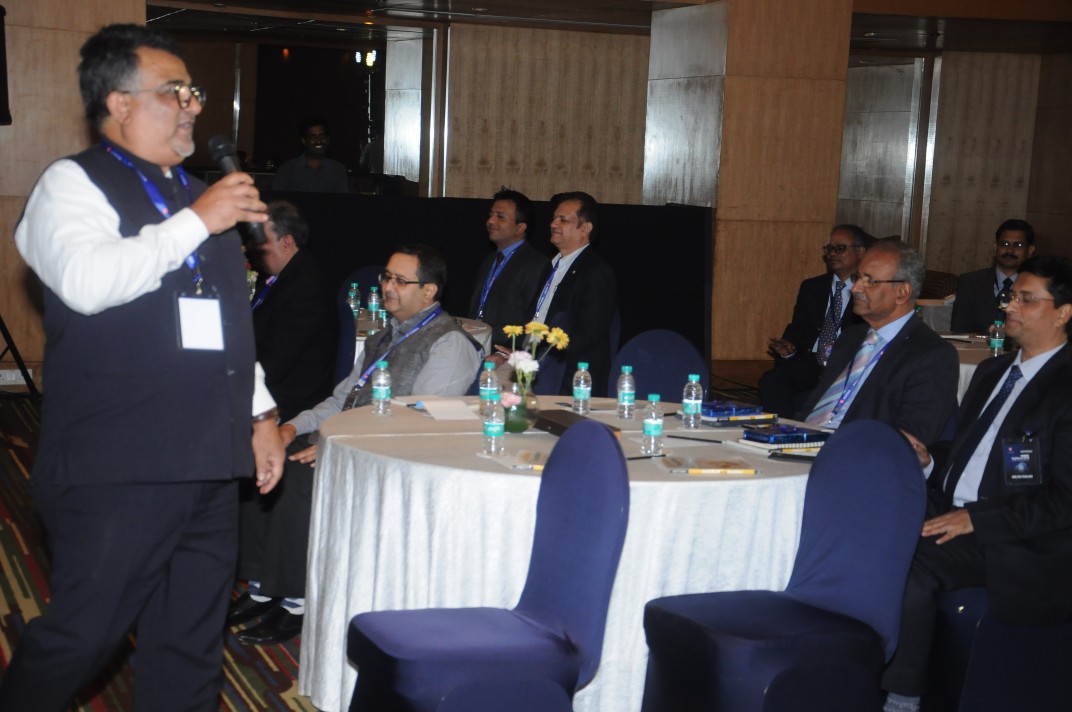


MedicinMan was launched in 2011 as India’s 1st Magazine dedicated to the cause of Field Force Excellence in Pharma and Devices.
Read More
Headlines
Top 25 Indian Pharma Companies by Revenues in 2024
India pharma is crucial for global healthcare, providing affordable...
Top 10 Indian Pharma – 2025
India's top 10 pharma companies by market capitalization, offering insights into...
Antibody-Drug Conjugates (ADCs): The Disruptors Leading Oncology’s Gold Rush in 2025
1. Market Overview
The oncology sector remains the most dominant...
Newsletter
Get important news delivered directly to your inbox and stay connected!