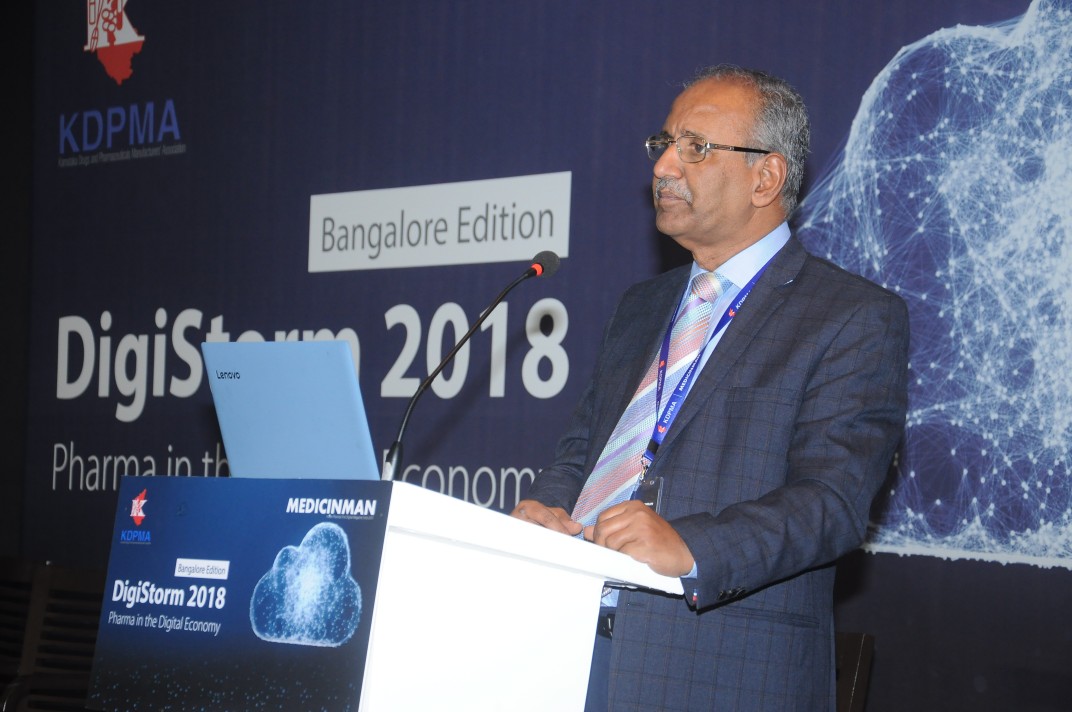

In many situations, technology upgradation is often construed as digital transformation. In a recently conducted survey by Altimeter, 88% of companies said that they were undergoing ‘digital transformation’ but only 25% said that they did so with the purpose beyond investing in new technology. The real definition of digital transformation is the realignment of, or new investment in technology, business models, and processes to create value for customers in a dynamic digital economy.
In the dynamic world of pharmaceutical marketing, staying ahead of the curve is essential for success. As technology continues to evolve, so do the opportunities for innovative campaigns. One area where pharma marketers can make a significant impact is in raising awareness about non-communicable diseases (NCDs) and promoting real-world studies and clinical trials.
To me, patient centricity is as fascinating a concept as it is contradictory. It is fascinating because it puts power into the hands of the patient. And it is contradictory because pharma does not like giving away power over its messages or processes. Pharma has traditionally never enjoyed interaction and has depended on ‘pushing’ messages across rather than having ‘conversations’. It probably also explains why we make do with medical reps who are not the sharpest knives in the drawer and scarcely invest in sharpening them.
Is Pharma’s business model like McDonald’s? Doing things over & over again without innovation?
McDonald’s is famous for its Hamburger University, a training facility at the McDonald’s Corporation global headquarters in Chicago, Illinois. It instructs high-potential restaurant managers in restaurant management.
More than 5,000 students attend Hamburger University each year and over 275,000 people have graduated with a degree in Hamburgerology.
Sound familiar? Pharma’s training has been on similar lines – hire people continuously and put them through the grind of mugging up essentials of drugs for diseases that the particular company sells.
While the McDonald’s model is ideal for its business of replication, it has outlived its utility in healthcare and drug companies are in danger of being reduced to mere suppliers of drugs to new digital platform businesses unless they learn to innovate.
In the lockdown, while I was on regular OPD and ICU rounds at a COVID hospital, I started noticing some mild symptoms of the Coronavirus infection. Being in the medical field and considering the severity of the pandemic situation then, I was very careful and cautious, and observed the symptoms closely. The symptoms persisted and I had to self-quarantine until the medical test reports came. It was important for me to isolate myself from the rest of the medical team and prevent the spread of the virus. Finally, the report came: I was COVID positive!
Stunned and slightly devastated; I broke the news to my family who could not believe it either. As a doctor, I could only treat, comfort and empathize with the COVID patients undergoing treatment; completely isolated from their loved ones. But now, I could actually feel the uncertainty of the situation. I was hospitalized and continued to experience body-ache during the admission. It was a stressful situation where I felt anxious and stressed about everything.
My CT scan reports showed mild lung infection on the day of admission but as the cytokines storm developed, my lungs were 76 % damaged in 3-5 days and I was short of breath and my oxygen level deteriorated to less than 80. I was shifted to an ICU with high-flow oxygen and was on a BiPap machine which I had purchased a few weeks ago for the hospital and never imagined that I would be using myself one day.
Editor's Note - This issue of MedicinMan is dedicated to the memory of Dr. Tarun Gupta, TG as he was fondly called. Executive Editor, Salil Kallianpur, dear friend Subrato Banerjee and long-time MedicinMan patron Vivek Hattangadi, pen their tributes to TG.