
Tuesday, March 24, 2026
22.5
C
Bengaluru
Hot topics
Interview with Ajit Singh, Chairman, ACG
Special interview with the Chairman of ACG and an invitation to "Pharmaceutical Marketing in the New Age" - a conference presented by ACG in partnership with MedicinMan
Digital Marketing Kick Starter for Pharma Marketers
An interview with Salil Kallianpur - Executive VP at GSK Primary Care on the state of digital in pharma marketing and pointers for digital marketing success.
DeepSeek – A Precursor to Patent Disruption?
The rise of open-source platforms, such as China’s DeepSeek...
Indian Pharmaceutical Innovation – Post TRIPS
It is the twentieth anniversary of the new patent act in January 2025. The post-patent (P20) era is a story of resilience, determination, and charting a course that set global ambitions, a story of finding opportunity in adversity. It is a story for case studies in business schools, in international studies, in global health efforts.
Pharma Digital Transformation – Leadership challenges
“Real digital transformation occurs when courageous leaders align goals...
Top 25 Indian Pharma Companies by Revenues in 2024
India pharma is crucial for global healthcare, providing affordable...
Top 10 Indian Pharma – 2025
India's top 10 pharma companies by market capitalization, offering insights into...
Antibody-Drug Conjugates (ADCs): The Disruptors Leading Oncology’s Gold Rush in 2025
1. Market Overview
The oncology sector remains the most dominant...
FLUX – Indian Pharma in the Post VUCA World
Introduction
For decades, leaders and organizations have relied on the...
Top 25 Indian Pharma Companies by Revenues in 2024
India pharma is crucial for global healthcare, providing affordable...
Top 10 Indian Pharma – 2025
India's top 10 pharma companies by market capitalization, offering insights into...
Antibody-Drug Conjugates (ADCs): The Disruptors Leading Oncology’s Gold Rush in 2025
1. Market Overview
The oncology sector remains the most dominant...
FLUX – Indian Pharma in the Post VUCA World
Introduction
For decades, leaders and organizations have relied on the...
Top 25 Indian Pharma Companies by Revenues in 2024
India pharma is crucial for global healthcare, providing affordable...
Top 10 Indian Pharma – 2025
India's top 10 pharma companies by market capitalization, offering insights into...
Antibody-Drug Conjugates (ADCs): The Disruptors Leading Oncology’s Gold Rush in 2025
1. Market Overview
The oncology sector remains the most dominant...
FLUX – Indian Pharma in the Post VUCA World
Introduction
For decades, leaders and organizations have relied on the...
Top 25 Indian Pharma Companies by Revenues in 2024
India pharma is crucial for global healthcare, providing affordable...
Top 10 Indian Pharma – 2025
India's top 10 pharma companies by market capitalization, offering insights into...
Antibody-Drug Conjugates (ADCs): The Disruptors Leading Oncology’s Gold Rush in 2025
1. Market Overview
The oncology sector remains the most dominant...
FLUX – Indian Pharma in the Post VUCA World
Introduction
For decades, leaders and organizations have relied on the...

Hot topics
Crafting a Digital Strategy
A Digital-in-pharma special issue. Announcement for ACG-MedicinMan's "Pharmaceutical Marketing in the New Age" conference to be held in March 2018
Astra Zeneca Tops Indian Pharma in New Introductions 2024
Analysis of Indian Pharmaceutical Market (IPM) – 2024
This data...
FLUX – Indian Pharma in the Post VUCA World
Introduction
For decades, leaders and organizations have relied on the...
Medical Rep to Chairman & Managing Director – Sunil Attavar’s Success Story
Q 1. Tell us about your journey as a pharma entrepreneur and what made you venture into pharma and stay on in pharma?
My journey started with two good decisions, one- to be a Medical Representative (MR) in Mumbai, which built a strong foundation and the other, to join Helios, a new pharma company, which was like a baptism of fire. Together, they molded me well.
I was promoted as a Front Line Manager (FLM) within a year. And after spending four excellent years in Helios, I joined Group Pharma as Product Manager (PM) and ever since, it’s been an exciting learning experience.
I was exposed to Pharma very early in life as my dad was in J L Morison, as part of the promoter-team of Warren Pharma. At home, I was the designated telephone operator and order processing clerk. Those were the days of trunk-calls - calling managers and distributors to note down orders. Hence, I was exposed to the excitement of targets, achievements, deficits and campaigns very early in my life. The idea of ‘work-life balance’ was not in vogue. One would look to their parents who worked long hours with pride making it something you wanted to emulate. Things have changed a lot but I would not trade the decision I made, to get into and stay in Pharma.
What Exactly Does Going Digital Mean?
Going digital is not about Social media or Omni channels. Is it about asking simple questions.
Best Buy is one of the largest electronic good retailers in USA. Few years ago Best Buy was threatened by what is now known as Showrooming effect. Basically customers would walk into its showrooms get benefitted by the advice of the salesperson, decide on the model and then go online to buy the product on Amazon because of low prices. Despite having one the best footfalls in the decade Best Buy recorded reduced profits. Although it did try to Price match Amazon they knew it was not a long-term solution because of its cost structure (Physical showrooms, salespeople etc). They couldn’t block the customers from checking price of product on Amazon. Future looked uncertain, everyone thought game over for Best Buy which was the case with many other retailing giants. No amount of investing new technology would have helped Best Buy .
Best Buy relearned how to make profits. Best Buy proposed to the manufacturers that they compensate Best Buy for exclusive showcasing of manufacturers new products. Manufacturers also could launch specific brand kiosks within Best Buy showroom for a fee. This new model which had zero investment for Best Buy dramatically increased its profitability.
Is this a ground breaking innovation? Of course NO. This has already been practiced in other industries but for the first time tried in Electronic good Retail. Best Buy realized apart from consumers it created lot of value for manufacturers therefore it captured the value lost from consumers from manufacturers.
What is my business? What is my business ecosystem? How do I currently make money? How changing one thing impacts my ecosystem? What are the options available?
Top 25 Indian Pharma Companies by Revenues in 2024
India pharma is crucial for global healthcare, providing affordable...
Top 10 Indian Pharma – 2025
India's top 10 pharma companies by market capitalization, offering insights into...
Antibody-Drug Conjugates (ADCs): The Disruptors Leading Oncology’s Gold Rush in 2025
1. Market Overview
The oncology sector remains the most dominant...
FLUX – Indian Pharma in the Post VUCA World
Introduction
For decades, leaders and organizations have relied on the...
Top 25 Indian Pharma Companies by Revenues in 2024
India pharma is crucial for global healthcare, providing affordable...
Top 10 Indian Pharma – 2025
India's top 10 pharma companies by market capitalization, offering insights into...
Antibody-Drug Conjugates (ADCs): The Disruptors Leading Oncology’s Gold Rush in 2025
1. Market Overview
The oncology sector remains the most dominant...
FLUX – Indian Pharma in the Post VUCA World
Introduction
For decades, leaders and organizations have relied on the...
Top 25 Indian Pharma Companies by Revenues in 2024
India pharma is crucial for global healthcare, providing affordable...
Top 10 Indian Pharma – 2025
India's top 10 pharma companies by market capitalization, offering insights into...
Antibody-Drug Conjugates (ADCs): The Disruptors Leading Oncology’s Gold Rush in 2025
1. Market Overview
The oncology sector remains the most dominant...
FLUX – Indian Pharma in the Post VUCA World
Introduction
For decades, leaders and organizations have relied on the...
Top 25 Indian Pharma Companies by Revenues in 2024
India pharma is crucial for global healthcare, providing affordable...
Top 10 Indian Pharma – 2025
India's top 10 pharma companies by market capitalization, offering insights into...
Antibody-Drug Conjugates (ADCs): The Disruptors Leading Oncology’s Gold Rush in 2025
1. Market Overview
The oncology sector remains the most dominant...
FLUX – Indian Pharma in the Post VUCA World
Introduction
For decades, leaders and organizations have relied on the...
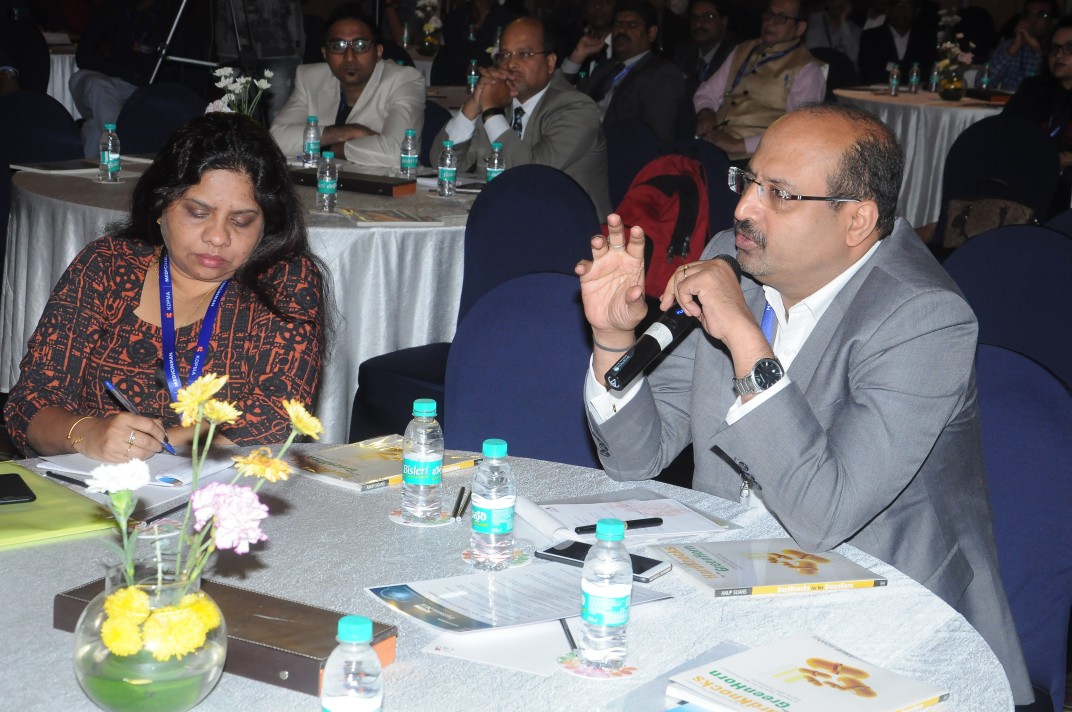


MedicinMan was launched in 2011 as India’s 1st Magazine dedicated to the cause of Field Force Excellence in Pharma and Devices.
Read More
Headlines
Top 25 Indian Pharma Companies by Revenues in 2024
India pharma is crucial for global healthcare, providing affordable...
Top 10 Indian Pharma – 2025
India's top 10 pharma companies by market capitalization, offering insights into...
Antibody-Drug Conjugates (ADCs): The Disruptors Leading Oncology’s Gold Rush in 2025
1. Market Overview
The oncology sector remains the most dominant...
Newsletter
Get important news delivered directly to your inbox and stay connected!