
Monday, March 23, 2026
22.5
C
Bengaluru
Hot topics
Healthcare Disruption – Will Ola, Swiggy, Pharmaeasy, and Hospitals Converge to Deliver Health Care on Call at Your Doorstep?
How long before digital Unicorns like Ola, Swiggy, Pharmeasy, and many others realize the humongous opportunity of delivering health care at the doorstep?
Imagine an app like Ola, where instead of entering where you want to go, you enter the nature of your medical need/emergency and search and find a range of hospitals/doctors/paramedics who can act as the first responders and reach your home in an ambulance or a motorbike with an HCP as a pillion rider with all necessary equipment from the thermometer to defibrillator depending on the nature of the medical care needed and triage and route you/your loved ones to the nearest hospital with an indicative cost of treatment in partnership with health insurance companies?
Is Pharma’s Business Model like McDonald’s? ...
Is Pharma’s business model like McDonald’s? Doing things over & over again without innovation?
McDonald’s is famous for its Hamburger University, a training facility at the McDonald’s Corporation global headquarters in Chicago, Illinois. It instructs high-potential restaurant managers in restaurant management.
More than 5,000 students attend Hamburger University each year and over 275,000 people have graduated with a degree in Hamburgerology.
Sound familiar? Pharma’s training has been on similar lines – hire people continuously and put them through the grind of mugging up essentials of drugs for diseases that the particular company sells.
While the McDonald’s model is ideal for its business of replication, it has outlived its utility in healthcare and drug companies are in danger of being reduced to mere suppliers of drugs to new digital platform businesses unless they learn to innovate.
Dr. Tarun Gupta Tribute Issue
Editor's Note - This issue of MedicinMan is dedicated to the memory of Dr. Tarun Gupta, TG as he was fondly called. Executive Editor, Salil Kallianpur, dear friend Subrato Banerjee and long-time MedicinMan patron Vivek Hattangadi, pen their tributes to TG.
Crafting a Digital Strategy: The Roadmap for 2021
In many situations, technology upgradation is often construed as digital transformation. In a recently conducted survey by Altimeter, 88% of companies said that they were undergoing ‘digital transformation’ but only 25% said that they did so with the purpose beyond investing in new technology. The real definition of digital transformation is the realignment of, or new investment in technology, business models, and processes to create value for customers in a dynamic digital economy.
Medical Rep to Chairman & Managing Director – Sunil Attavar’s Success Story
Q 1. Tell us about your journey as a pharma entrepreneur and what made you venture into pharma and stay on in pharma?
My journey started with two good decisions, one- to be a Medical Representative (MR) in Mumbai, which built a strong foundation and the other, to join Helios, a new pharma company, which was like a baptism of fire. Together, they molded me well.
I was promoted as a Front Line Manager (FLM) within a year. And after spending four excellent years in Helios, I joined Group Pharma as Product Manager (PM) and ever since, it’s been an exciting learning experience.
I was exposed to Pharma very early in life as my dad was in J L Morison, as part of the promoter-team of Warren Pharma. At home, I was the designated telephone operator and order processing clerk. Those were the days of trunk-calls - calling managers and distributors to note down orders. Hence, I was exposed to the excitement of targets, achievements, deficits and campaigns very early in my life. The idea of ‘work-life balance’ was not in vogue. One would look to their parents who worked long hours with pride making it something you wanted to emulate. Things have changed a lot but I would not trade the decision I made, to get into and stay in Pharma.
Top 25 Indian Pharma Companies by Revenues in 2024
India pharma is crucial for global healthcare, providing affordable...
Top 10 Indian Pharma – 2025
India's top 10 pharma companies by market capitalization, offering insights into...
Antibody-Drug Conjugates (ADCs): The Disruptors Leading Oncology’s Gold Rush in 2025
1. Market Overview
The oncology sector remains the most dominant...
FLUX – Indian Pharma in the Post VUCA World
Introduction
For decades, leaders and organizations have relied on the...
Top 25 Indian Pharma Companies by Revenues in 2024
India pharma is crucial for global healthcare, providing affordable...
Top 10 Indian Pharma – 2025
India's top 10 pharma companies by market capitalization, offering insights into...
Antibody-Drug Conjugates (ADCs): The Disruptors Leading Oncology’s Gold Rush in 2025
1. Market Overview
The oncology sector remains the most dominant...
FLUX – Indian Pharma in the Post VUCA World
Introduction
For decades, leaders and organizations have relied on the...
Top 25 Indian Pharma Companies by Revenues in 2024
India pharma is crucial for global healthcare, providing affordable...
Top 10 Indian Pharma – 2025
India's top 10 pharma companies by market capitalization, offering insights into...
Antibody-Drug Conjugates (ADCs): The Disruptors Leading Oncology’s Gold Rush in 2025
1. Market Overview
The oncology sector remains the most dominant...
FLUX – Indian Pharma in the Post VUCA World
Introduction
For decades, leaders and organizations have relied on the...
Top 25 Indian Pharma Companies by Revenues in 2024
India pharma is crucial for global healthcare, providing affordable...
Top 10 Indian Pharma – 2025
India's top 10 pharma companies by market capitalization, offering insights into...
Antibody-Drug Conjugates (ADCs): The Disruptors Leading Oncology’s Gold Rush in 2025
1. Market Overview
The oncology sector remains the most dominant...
FLUX – Indian Pharma in the Post VUCA World
Introduction
For decades, leaders and organizations have relied on the...

Hot topics
What Can Pharma Learn about Customer Experience from Other Industries?
In today's competitive retail world, lower pricing and creative...
Pharma CEO Roundtable on 27th October 2021
Engaging Doctors – Physical, Digital & Hybrid: Translating Strategy...
Indian Pharmaceutical Innovation – Post TRIPS
It is the twentieth anniversary of the new patent act in January 2025. The post-patent (P20) era is a story of resilience, determination, and charting a course that set global ambitions, a story of finding opportunity in adversity. It is a story for case studies in business schools, in international studies, in global health efforts.
Pharma Digital Transformation – Leadership challenges
“Real digital transformation occurs when courageous leaders align goals...
Digital Noise to Digital Voice – A 4-Module Workshop for Pharma People
https://www.youtube.com/watch?v=BOO_CNxEzwQ
When Covid19 struck for the first time in March 2020, the...
Top 25 Indian Pharma Companies by Revenues in 2024
India pharma is crucial for global healthcare, providing affordable...
Top 10 Indian Pharma – 2025
India's top 10 pharma companies by market capitalization, offering insights into...
Antibody-Drug Conjugates (ADCs): The Disruptors Leading Oncology’s Gold Rush in 2025
1. Market Overview
The oncology sector remains the most dominant...
FLUX – Indian Pharma in the Post VUCA World
Introduction
For decades, leaders and organizations have relied on the...
Top 25 Indian Pharma Companies by Revenues in 2024
India pharma is crucial for global healthcare, providing affordable...
Top 10 Indian Pharma – 2025
India's top 10 pharma companies by market capitalization, offering insights into...
Antibody-Drug Conjugates (ADCs): The Disruptors Leading Oncology’s Gold Rush in 2025
1. Market Overview
The oncology sector remains the most dominant...
FLUX – Indian Pharma in the Post VUCA World
Introduction
For decades, leaders and organizations have relied on the...
Top 25 Indian Pharma Companies by Revenues in 2024
India pharma is crucial for global healthcare, providing affordable...
Top 10 Indian Pharma – 2025
India's top 10 pharma companies by market capitalization, offering insights into...
Antibody-Drug Conjugates (ADCs): The Disruptors Leading Oncology’s Gold Rush in 2025
1. Market Overview
The oncology sector remains the most dominant...
FLUX – Indian Pharma in the Post VUCA World
Introduction
For decades, leaders and organizations have relied on the...
Top 25 Indian Pharma Companies by Revenues in 2024
India pharma is crucial for global healthcare, providing affordable...
Top 10 Indian Pharma – 2025
India's top 10 pharma companies by market capitalization, offering insights into...
Antibody-Drug Conjugates (ADCs): The Disruptors Leading Oncology’s Gold Rush in 2025
1. Market Overview
The oncology sector remains the most dominant...
FLUX – Indian Pharma in the Post VUCA World
Introduction
For decades, leaders and organizations have relied on the...
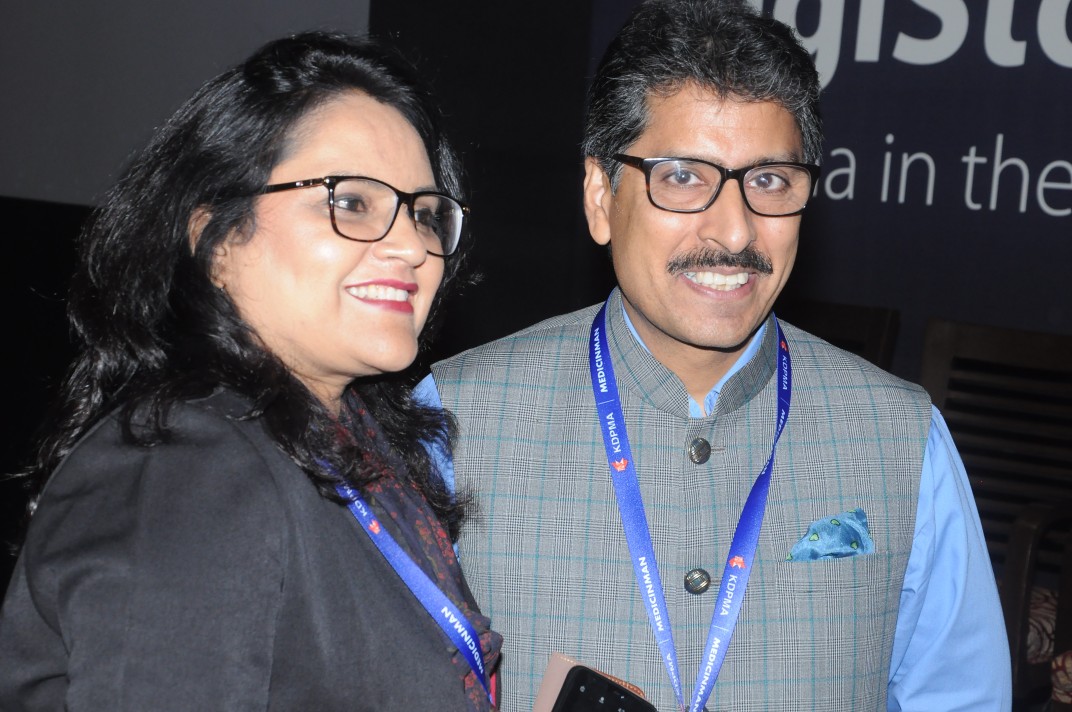


MedicinMan was launched in 2011 as India’s 1st Magazine dedicated to the cause of Field Force Excellence in Pharma and Devices.
Read More
Headlines
Top 25 Indian Pharma Companies by Revenues in 2024
India pharma is crucial for global healthcare, providing affordable...
Top 10 Indian Pharma – 2025
India's top 10 pharma companies by market capitalization, offering insights into...
Antibody-Drug Conjugates (ADCs): The Disruptors Leading Oncology’s Gold Rush in 2025
1. Market Overview
The oncology sector remains the most dominant...
Newsletter
Get important news delivered directly to your inbox and stay connected!