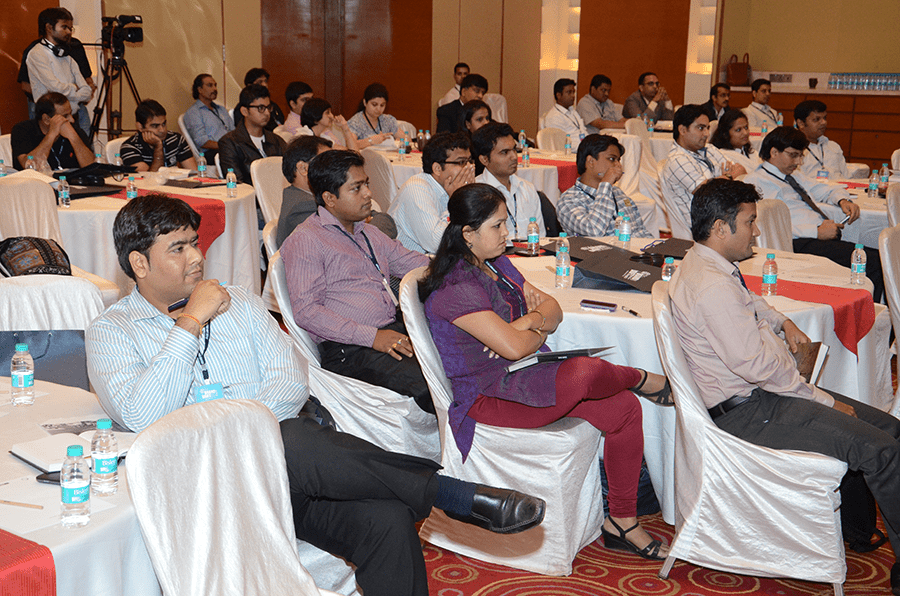
Addressing the media at a roundtable this morning, Vani Manja, Managing Director, Boehringer Ingelheim India said, “Boehringer Ingelheim India aspires to be amongst the top five multinational pharmaceutical companies in India over the next few years. We have been enabling access to our innovator products to patients across India and the neighbouring markets in the diabetes, cardiovascular, stroke and respiratory diseases segments. Our plan in these therapy areas is to build sustainable partnerships to ensure an ecosystem of access and care for patients. We have initiated action in that direction.”
One interesting fact: most medical colleges and linked public hospitals in major cities were designed in the British era, with an open ward design. A medical administrator, tongue-in-cheek, put it succinctly: “When these hospitals were designed, nobody would have imagined that doctors will face violence”.
Time for design thinking in public healthcare delivery!
K. Hariram reports on the OPPI 50th Annual General Meeting held in Mumbai on October 21. The report also features photos from the conference. Other topics covered include the role of emotions in pharma marketing, the importance in preparing much before-hand for the next level of your pharma career and the concept of the "tipping point" and its relevance for pharma marketing.
The Indian Pharmaceutical Market (IPM) was valued at Rs. 10,278 crs in the month of September 2016 clocking a strong 10% growth over same period last year (SPLY). On a MAT September basis, the industry was valued at Rs. 111,022 crores and reflected a 13% growth with volumes contributing around 40% of this growth and New Introductions playing an important role with around 38% contribution to the overall growth.
In many situations, technology upgradation is often construed as digital transformation. In a recently conducted survey by Altimeter, 88% of companies said that they were undergoing ‘digital transformation’ but only 25% said that they did so with the purpose beyond investing in new technology. The real definition of digital transformation is the realignment of, or new investment in technology, business models, and processes to create value for customers in a dynamic digital economy.