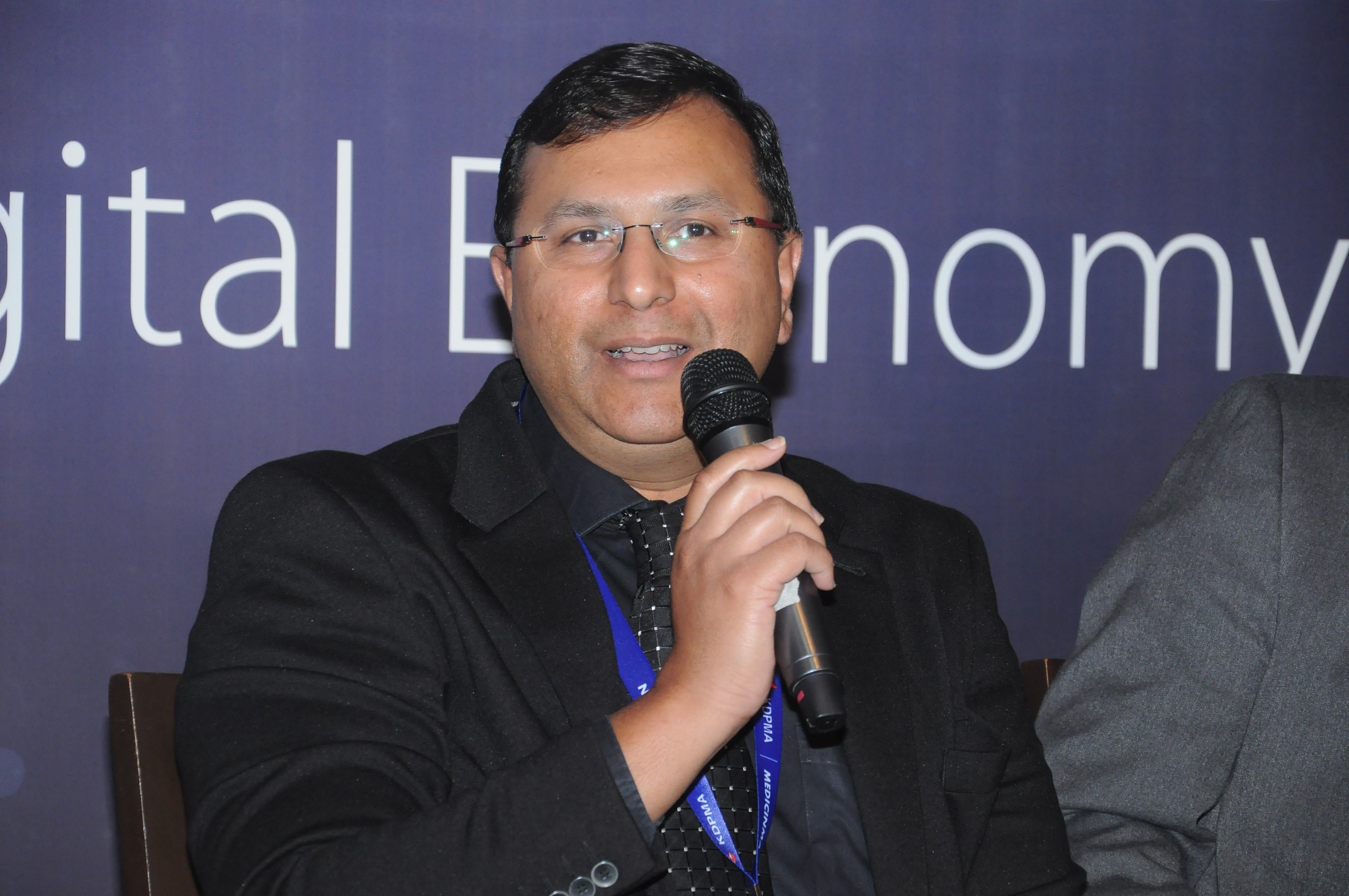
There was a phase when the industry feared that digital would eventually replace the medical sales representative but it appears that digital engagements work best when facilitated by an affable and knowledgeable person, who can personalize the information, and the conversation, to the doctor. In pharma, there’s no substituting face-to-face dialogue it seems. And why should it?
“Rather than digital replacing a person in pharma, the need of the hour is digitalizing the approach of person. The person and the technology are HERE TO STAY”, says Archis Joshi, Commercial Head at Dr. Reddy’s.
The sales role is getting tougher. Medical information, at one point pharma’s greatest value, is today much more freely available than it used to be. In the Indian market which is dominated by generic medicines lacking differentiation, simply informing doctors about the product, isn’t a viable prospect any more when it comes to piquing their interest.
“Why are brands that have been around for some time still unable to cross the marketing funnel and are still stuck at either the ‘awareness’ or the ‘interest’ stages, and unable to move towards the ‘purchase’ or ‘recommendation’ stages?” wonders Mehul Shukla, Director, Marketing Excellence at Cipla.
With the Second Wave hitting India, customers (patients and physicians) will continue to socially distance themselves in the foreseeable future. Pharma must use the field force for reach and relationship and digital for frequency and personalised content for better customer experience.
The pandemic has made doctors adopt Telehealth in a substantial way to shore up their revenues and this will continue to be one of their channels to engage patients. Telehealth along with EMR/EHR, digital therapeutics and wearables is enabling doctors to better care for their patients. There are many ways in which pharma can support the digital evolution of doctors.
One interesting fact: most medical colleges and linked public hospitals in major cities were designed in the British era, with an open ward design. A medical administrator, tongue-in-cheek, put it succinctly: “When these hospitals were designed, nobody would have imagined that doctors will face violence”.
Time for design thinking in public healthcare delivery!
Going digital is not about Social media or Omni channels. Is it about asking simple questions.
Best Buy is one of the largest electronic good retailers in USA. Few years ago Best Buy was threatened by what is now known as Showrooming effect. Basically customers would walk into its showrooms get benefitted by the advice of the salesperson, decide on the model and then go online to buy the product on Amazon because of low prices. Despite having one the best footfalls in the decade Best Buy recorded reduced profits. Although it did try to Price match Amazon they knew it was not a long-term solution because of its cost structure (Physical showrooms, salespeople etc). They couldn’t block the customers from checking price of product on Amazon. Future looked uncertain, everyone thought game over for Best Buy which was the case with many other retailing giants. No amount of investing new technology would have helped Best Buy .
Best Buy relearned how to make profits. Best Buy proposed to the manufacturers that they compensate Best Buy for exclusive showcasing of manufacturers new products. Manufacturers also could launch specific brand kiosks within Best Buy showroom for a fee. This new model which had zero investment for Best Buy dramatically increased its profitability.
Is this a ground breaking innovation? Of course NO. This has already been practiced in other industries but for the first time tried in Electronic good Retail. Best Buy realized apart from consumers it created lot of value for manufacturers therefore it captured the value lost from consumers from manufacturers.
What is my business? What is my business ecosystem? How do I currently make money? How changing one thing impacts my ecosystem? What are the options available?